
Monsoon Trekking Safety: 7 Crucial Rules to Follow
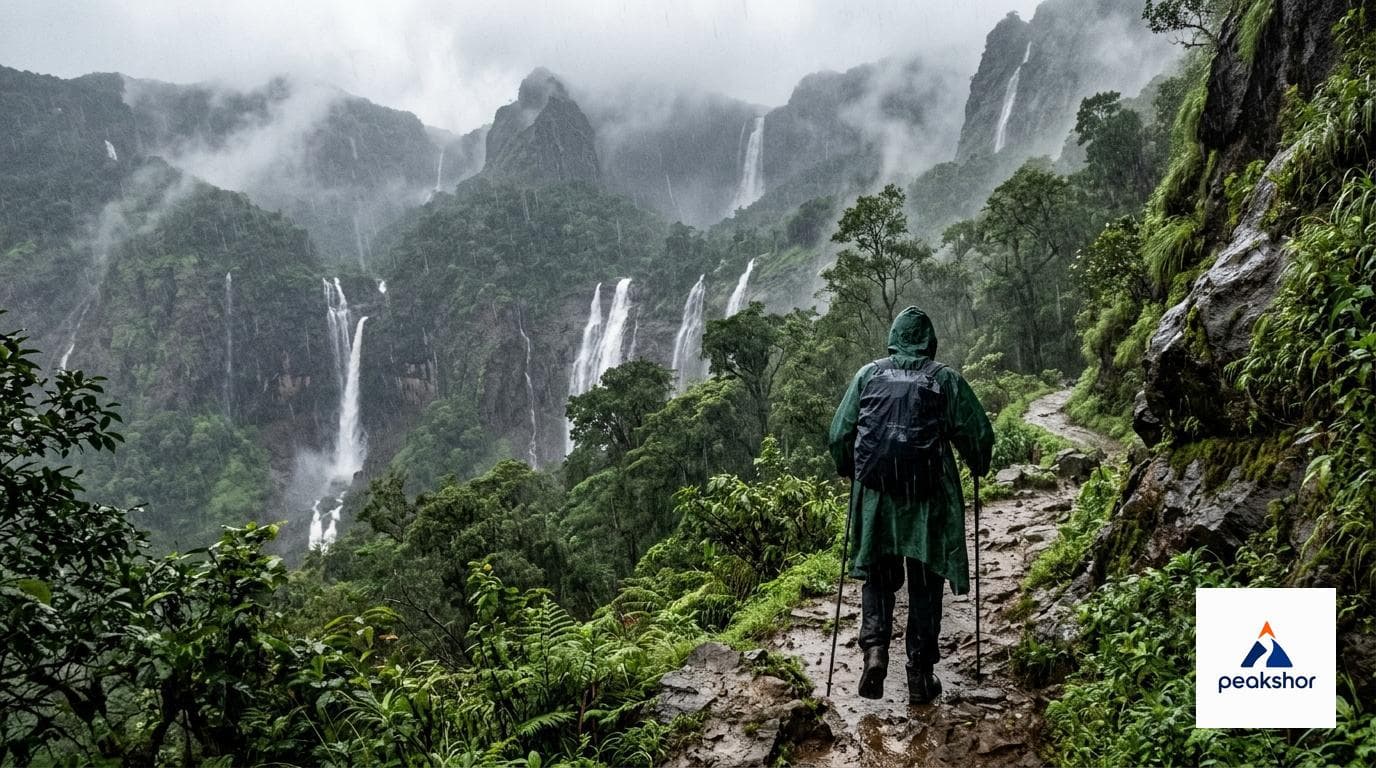
The Western Ghats transform into a lush green paradise during the rainy season. Waterfalls come alive, and thick mist covers the beautiful peaks. However, navigating these wet trails requires careful planning and a deep focus on monsoon trekking safety. Without proper preparation, a beautiful journey can quickly turn risky. Slippery mud, sudden cloudbursts, and rising streams present real challenges to hikers. Preparing yourself beforehand is the best way to enjoy nature safely.
- Is it Safe to Trek in the Western Ghats During Monsoon?
- Monsoon Trekking Safety: 7 Essential Rules to Follow
- Essential Rain Trekking Gear You Must Pack
- River Crossing Safety in Heavy Rain
- How to Handle Slippery Trails and Landslide Risks
- Effective Ways to Manage Leeches and Insect Bites
- Hydration and Nutrition on Wet Treks
- Post-Trek Hygiene and Care
Is it Safe to Trek in the Western Ghats During Monsoon?
Yes, it is safe to trek in the Western Ghats during the monsoon. However, you must choose easy routes and check weather alerts.
The monsoon season brings life to the mountains. Grasslands turn vibrant green, and dry streams flow with rushing water. It is a magical time for hikers. Yet, safety must always come first. You should avoid high-altitude peaks and deep gorges when rainfall is extreme. High winds can make walking on open ridges very dangerous.
Before planning your trip, consult official forecasts from the Indian Meteorological Department. If they issue red or orange alerts, postpone your trek immediately. Local authorities often close specific forest trails during heavy downpours. Always respect these closures. You should seek local forest department permission before you begin your journey.
Additionally, hiring a local guide is highly recommended. Locals understand the terrain best. They know which paths flood first. They also know where to find shelter during sudden storms. Walking with an expert reduces risks and ensures a much smoother journey. This makes your experience far more enjoyable and safe.
Monsoon Trekking Safety: 7 Essential Rules to Follow
Prioritize group trekking, start early in the morning, and keep emergency contacts updated at all times. These rules help reduce the risks of wet trails and sudden storms.
This kind of outdoor preparation relies on awareness, planning, and respecting the raw power of nature. Following a few strict guidelines ensures you enjoy the beautiful rain-washed hills without putting yourself in danger. First, always trek in a group. Solo hiking during the rainy season is highly discouraged. If someone slips or gets injured, others can seek help quickly.
Second, start your trek early in the morning. This allows you to finish before afternoon storms intensify. Third, keep your family informed about your route. Share your expected return time with them. Network connectivity is poor in the mountains, so they should know your plan.
Fourth, stay on marked trails. Cutting corners on wet slopes can trigger mini-landslides. Fifth, avoid camping near riverbeds or on steep slopes. Flash floods can occur in minutes without warning. Sixth, keep a fully charged power bank in a waterproof pouch. Seventh, carry a basic first-aid kit with antiseptic creams and bandages. These small steps make a massive difference in emergencies.
Essential Rain Trekking Gear You Must Pack
Pack waterproof ponchos, quick-dry clothing, and sturdy shoes with deep rubber grip. Proper gear keeps you dry and stable on slippery mountain paths.
The right rain trekking gear keeps you dry, warm, and stable on slippery mountain paths. Packing appropriate layers and protective equipment is the key to surviving the wet weather comfortably. A high-quality waterproof jacket is absolutely necessary. Standard umbrellas are useless in strong mountain winds. Instead, opt for a lightweight, breathable poncho that also covers your backpack.
Your pack should have a reliable rain cover to protect your dry clothes and electronics. Water can easily seep through standard zippers.
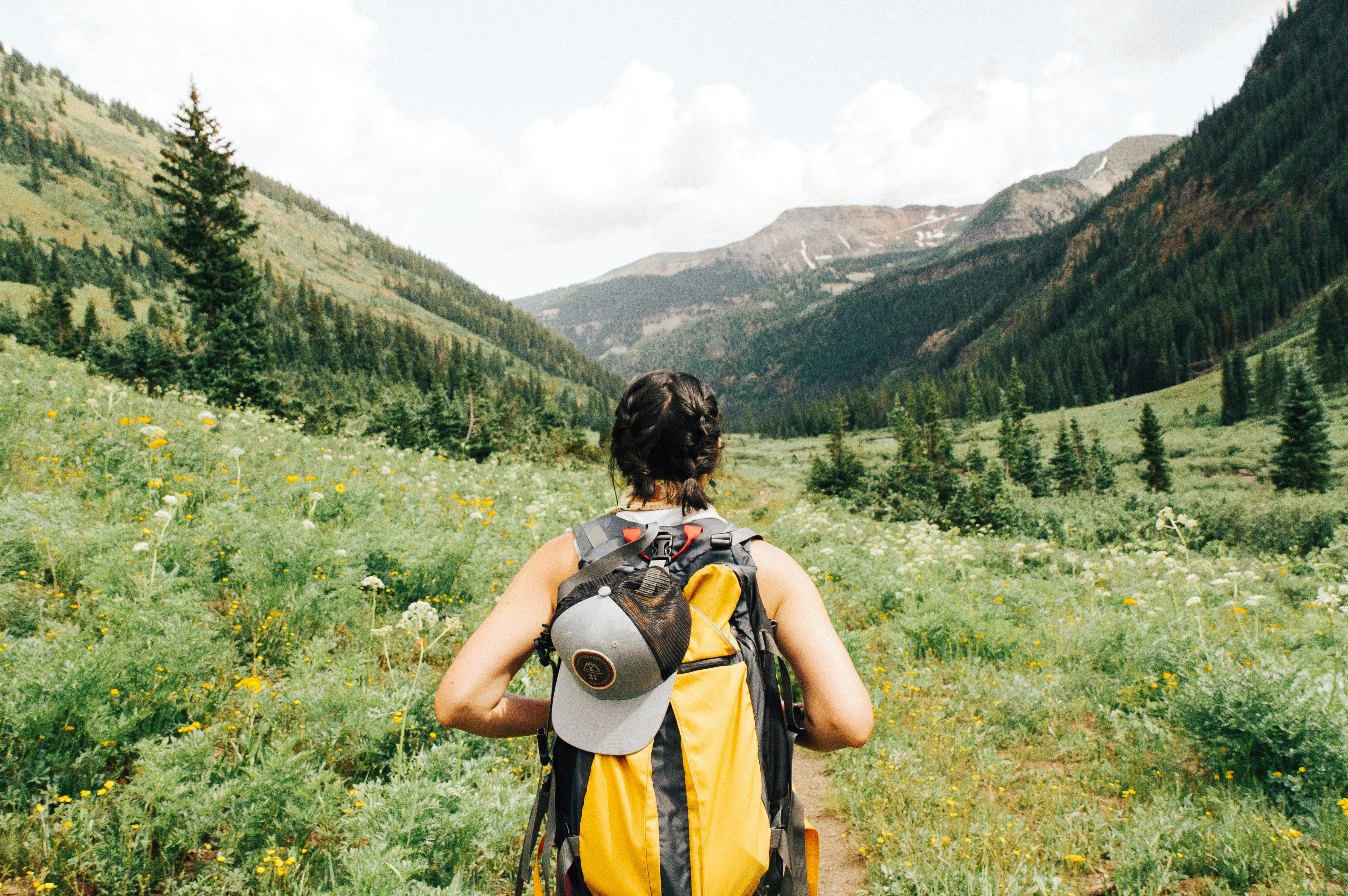
Choose synthetic, quick-dry clothing instead of cotton. Cotton absorbs water and stays wet. It causes your body temperature to drop quickly in cold winds. For footwear, select shoes with deep rubber lugs. These provide the necessary grip on slimy rocks and muddy paths. Never wear worn-out running shoes or sandals on a western ghats monsoon trek. Good grip prevents painful falls.
Do not forget to pack extra ziplock bags. Store your phone, wallet, and spare batteries inside them. If your gear stays dry, your energy and morale will remain high throughout the day.
River Crossing Safety in Heavy Rain
To ensure safety during river crossings, never cross streams when water levels rise above your knees. Always rely on anchored ropes and experienced guides to navigate fast currents.
Mountain streams in the Western Ghats can rise within minutes. A small, clear brook can turn into a raging torrent during a heavy downpour. This makes river crossing safety a critical skill for monsoon hikers. If you encounter a swollen stream, wait for the water levels to recede. You can also look for an alternative route further upstream.
How do guides handle river crossings during heavy rain? They use heavy-duty climbing ropes. They anchor these ropes to sturdy trees on both banks. Hikers then face upstream and move sideways while holding the rope. They also unlock their backpack hip belts first. This allows them to discard the heavy pack easily if they slip into the water. It prevents them from being dragged down by the weight.
Never rush through rushing water. Move one foot at a time. Ensure your footing is stable before taking the next step. If a crossing looks too risky, turn back. No summit or destination is worth risking your life.
How to Handle Slippery Trails and Landslide Risks
Walk with shorter steps, use trekking poles, and avoid steep mud slopes to handle slippery trails. Stay away from steep cliff faces where heavy rain can trigger sudden rockfalls.
The red soil of the Western Ghats becomes extremely slick when wet. Slopes turn into muddy slides that offer very little traction. To maintain your balance, use two trekking poles. They act as extra limbs. They distribute your weight more evenly across the uneven ground. This reduces the strain on your knees and ankles.
Walk with a slightly wider stance to improve your balance. When descending, bend your knees and keep your center of gravity low. Avoid stepping on smooth, mossy rocks. Moss behaves like ice under wet boots. Instead, look for rough gravel or patches of grass to secure your footing.
Be extremely cautious near steep cliffs and valley edges. Heavy rain weakens the soil structure, leading to sudden rockfalls and landslides. If you hear a rumbling sound, move away from the slope immediately. Always prioritize safety over speed when hiking in these challenging conditions.
Effective Ways to Manage Leeches and Insect Bites
Wear thick leech socks, apply salt or insect repellent to your boots, and avoid resting on wet leaf litter. These simple steps prevent leeches and bugs from reaching your skin.
Leeches are common on any western ghats monsoon trek. While they do not transmit diseases, their bites can bleed continuously. This can cause mild discomfort and panic. Wearing specialized leech socks creates a physical barrier. It prevents them from reaching your skin. Tuck your trousers firmly into your socks for added protection.
If a leech attaches to you, do not panic. Do not pull it off forcefully. Doing so can leave its mouthparts in your skin. This often leads to mild infections. Simply apply a small amount of salt or hand sanitizer. You can also use eucalyptus oil. The leech will detaches itself immediately. Clean the wound and apply a small bandage.
Carry some anti-itch cream to treat insect bites as well. The wet forests are home to mosquitoes and midges. Keeping your skin covered is the easiest way to prevent annoying bites. It helps you stay focused on the beautiful scenery instead of scratching bites.
Hydration and Nutrition on Wet Treks
Drink clean, filtered water and eat high-energy snacks regularly to maintain your stamina. Keeping your body fueled helps you stay warm and alert in cold, wet conditions.
It is easy to forget to hydrate when you are surrounded by rain. However, your body still loses moisture rapidly through sweat and breathing. Dehydration can lead to muscle cramps and fatigue. Since natural water sources are often contaminated during monsoon rains, carry a personal water filter. You can also use chlorine tablets.
Never drink directly from streams, even if the water looks crystal clear. Runoff from higher altitudes often carries harmful bacteria and animal waste. This can lead to severe stomach infections during your trip.
Keep snacks like nuts, energy bars, and dried fruits in an easily accessible pocket. Eating small, frequent meals keeps your metabolism active. This active metabolism helps your body generate heat. It keeps you warm when you get soaked. A thermos with hot ginger tea is also an excellent addition to your pack.
Post-Trek Hygiene and Care
Change into dry clothes immediately after finishing your hike and clean your feet thoroughly. Proper post-trek hygiene prevents fungal infections and keeps your gear from growing mold.
Prolonged exposure to dampness can lead to trench foot or skin irritation. Keep a spare set of dry clothes and shoes inside your vehicle. You can also leave them at your base camp. Once you complete the trek, remove your wet socks and boots immediately.
Wash your feet with clean water and dry them completely. Applying antifungal powder between your toes is an excellent habit during the rainy season. This keeps your skin healthy and prevents itchy infections.
Clean your gear right away too. Dry your tents, backpacks, and rain trekking gear in a well-ventilated area. This prevents mold growth and bad odors. Wipe your shoes with a damp cloth to remove mud. Stuff them with newspaper to absorb residual moisture. Taking care of your equipment ensures it remains ready for your next outdoor adventure.
Browse our full range of guided adventures across India to find your next trip.
Read enough — ready to actually go?
Browse destinations